
Responsible Trekking Starts Before the Trail
Responsible trekking in Nepal is not only about what you carry out at the end of the trip. It starts with the guide team you hire, the questions you ask about porter treatment, and whether your itinerary allows for safe pacing instead of rushed, high-pressure days.
Good choices made before arrival usually matter more than performative eco-language on the trail.
Waste Reduction Matters at Altitude
Mountain waste systems are limited, especially on high and remote routes. Refillable water bottles, careful battery planning, and avoiding unnecessary packaged items have a measurable effect when multiplied across thousands of trekkers each season.
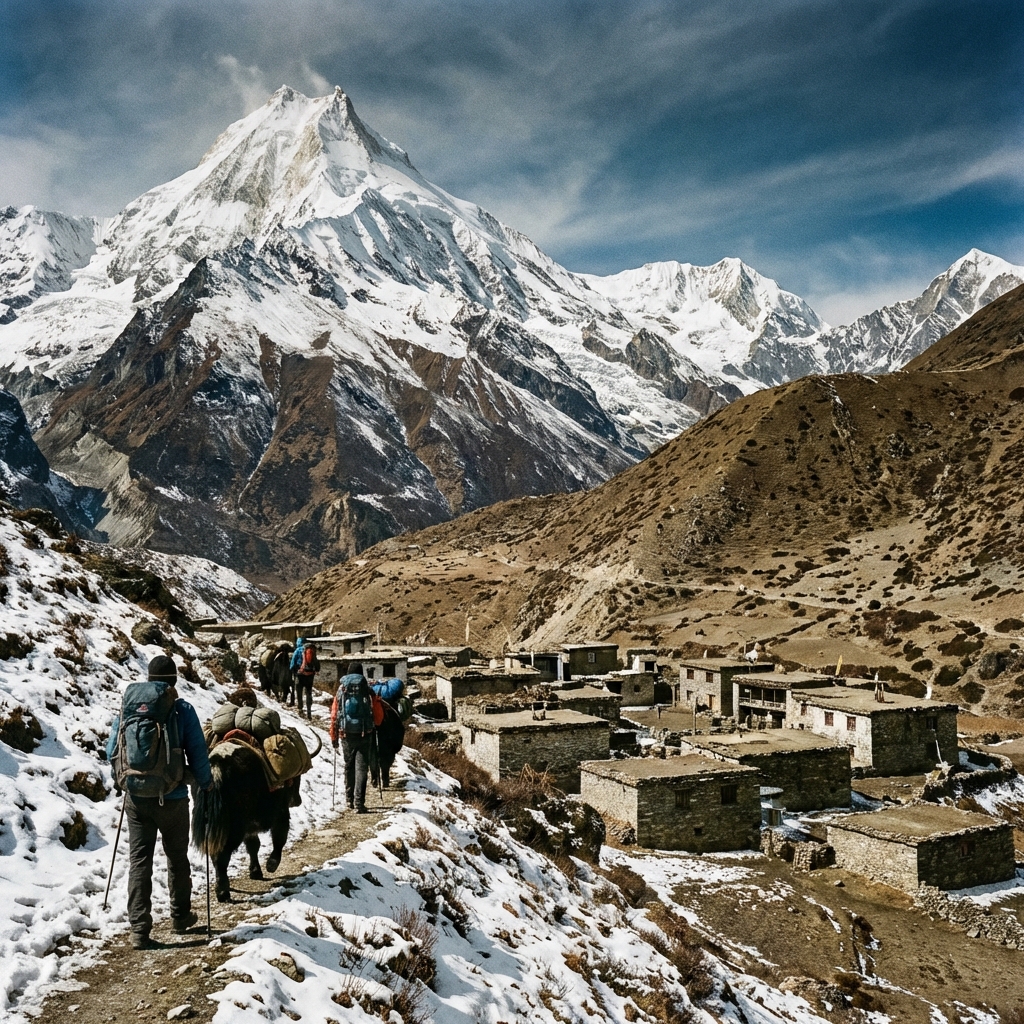
What feels like a small convenience at home becomes a much bigger disposal problem in a village reached only by trail or helicopter.
Culture Is Part of the Landscape
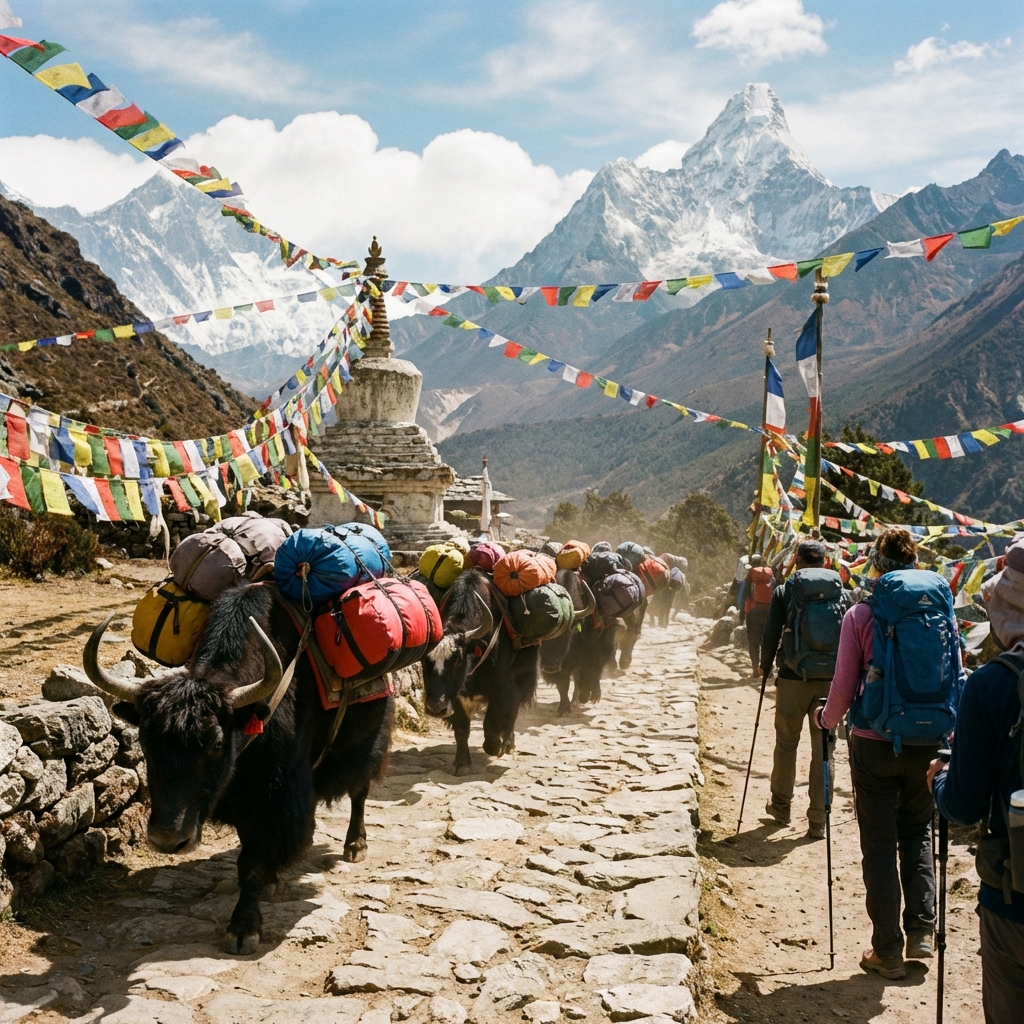
Responsible travel also means treating monasteries, tea houses, mani walls, and local customs as living parts of the route instead of just atmospheric backdrops. A little etiquette goes a long way in creating genuine exchanges instead of transactional ones.
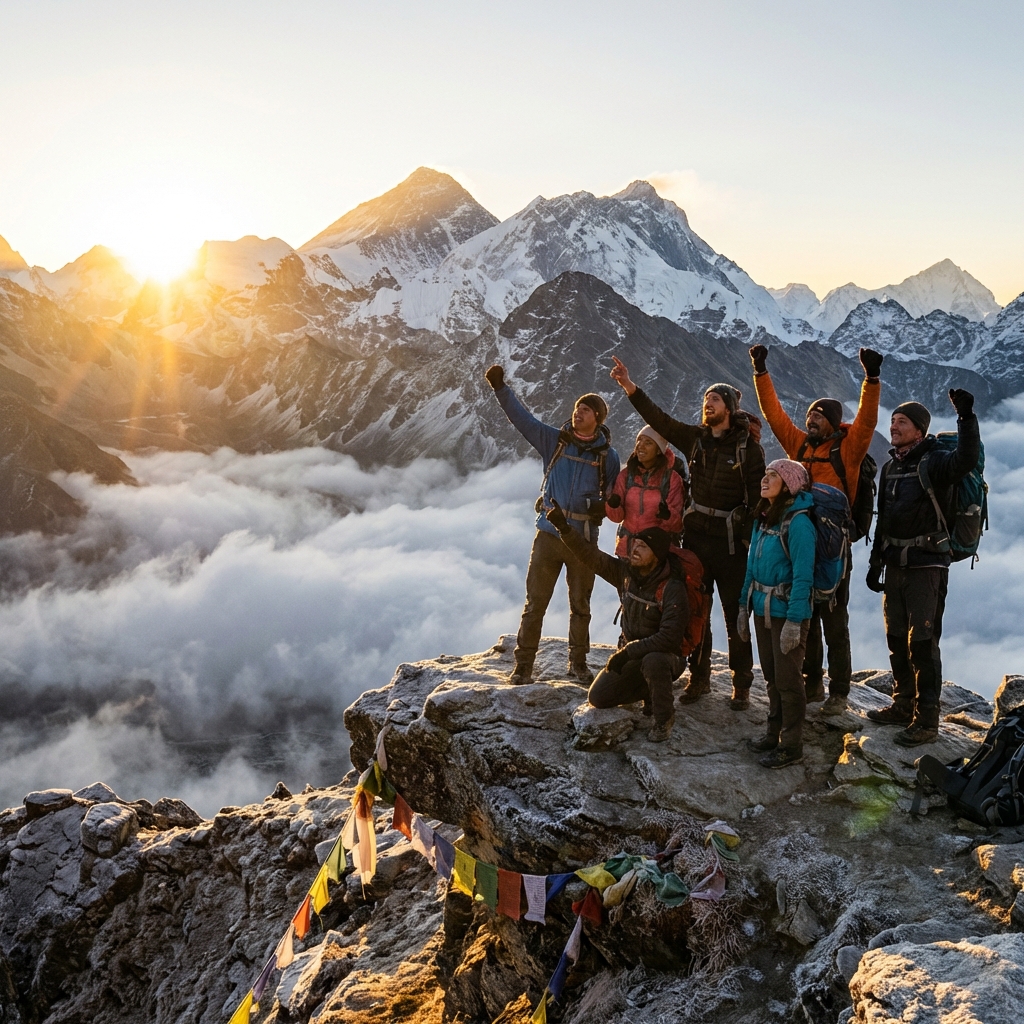
Trekkers often remember those human moments just as vividly as the mountain views.
Ethics Should Be Visible in Operations
The strongest trekking companies make their ethics legible. Porter loads, insurance, equipment, fair pay, and route pacing should all be easy to discuss before booking.
If those answers are vague, the problem is usually structural rather than accidental. Responsible tourism should be something an operator can explain clearly, not something you have to infer.